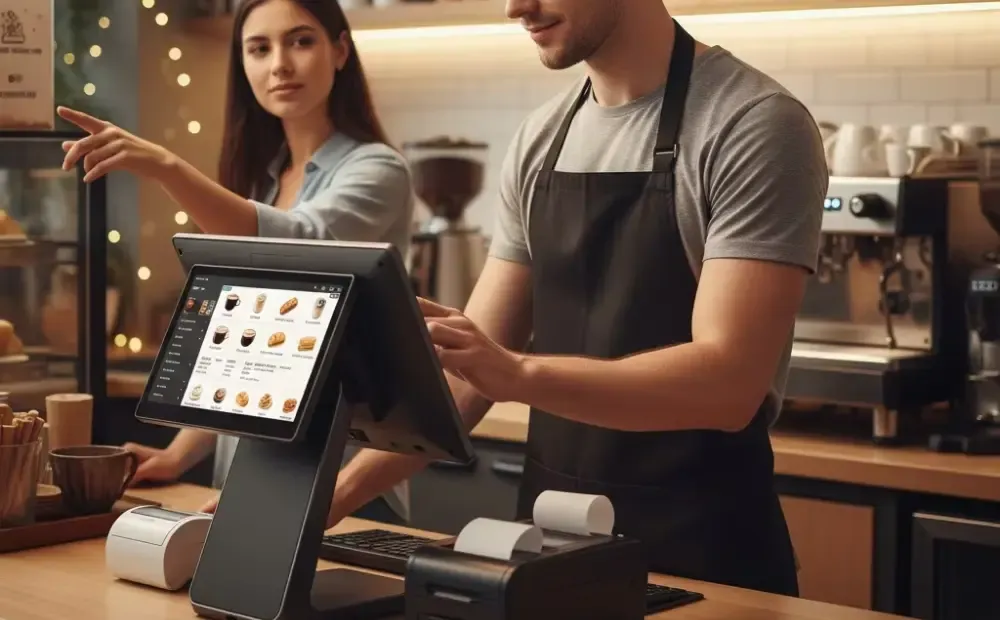
Checkout no longer works as a simple task. In busy supermarkets, slow lanes can result in lost sales within minutes. Convenience stores face the same pressure during peak hours. Apparel stores struggle when weekend traffic spikes. At the same time, margins continue to shrink. Labor costs rise. Errors cost more than before.
Modern retail POS systems now sit at the center of daily operations. They control checkout speed, price accuracy, and stock updates. They manage promotions across stores. They handle payments without delays. They collect customer data at every sale. This shift turns POS from a register into innovative retail technology that shapes store performance.
The Shift From Traditional POS to Intelligent Retail Systems
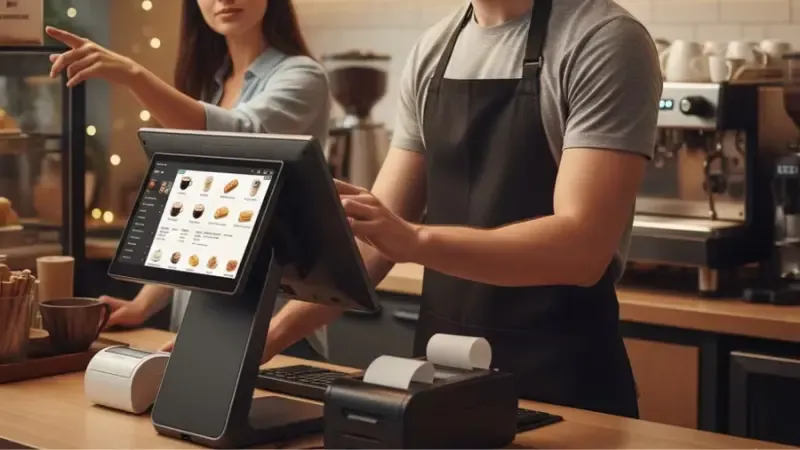
Traditional POS systems were built for basic billing, but now create delays, errors, and blind spots. High-volume supermarkets, busy convenience stores, and apparel chains now face limits that older systems cannot handle.
This shift explains why POS system trends for 2026 focus on capability, not features.
What Traditional POS Systems Can No Longer Handle
Traditional POS systems depend on manual control. Price updates require staff time and often lag behind promotions. Reports arrive after the day ends, not while problems still matter.
Payment options also remain limited. Many older systems struggle with mobile wallets, QR code payments, and mixed-tender checkout. In fast-moving stores, these gaps slow transactions and frustrate customers. As store traffic rises and margins shrink, these limits become costly.
What Modern POS Systems Are Designed to Solve
Modern retail POS systems respond in real time. Prices update across lanes without delays. Sales data flows instantly from checkout to dashboards. Store teams identify issues as they occur, not after the close.
Automation reduces manual steps at checkout. Staff focus on customers rather than fixing issues. Payments move faster and support multiple methods without friction. Data from every sale feeds daily decisions.
Core POS System Trends Retailers Must Prepare for in 2026
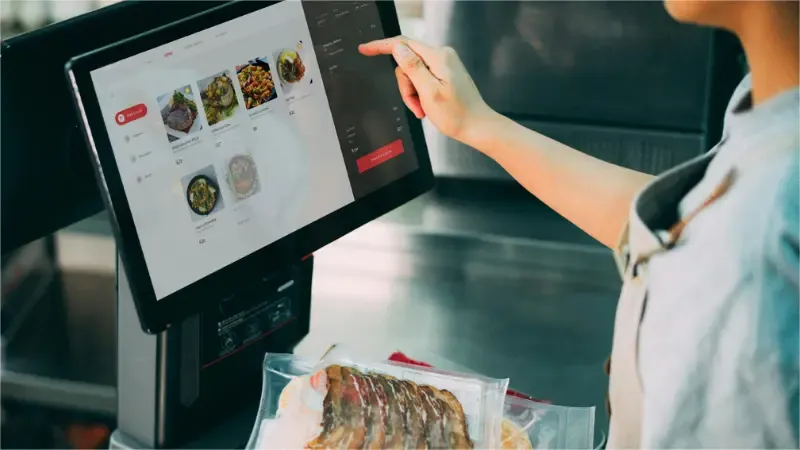
Retail POS trends for 2026 reflect how checkout now shapes store performance. Speed, accuracy, and payment flexibility decide whether customers complete a purchase.
Grocery chains, convenience stores, and apparel retailers now treat POS systems as operational infrastructure rather than back-office tools.
AI-Powered POS Systems: From Reporting to Real-Time Retail Decisions
AI POS systems change how retail data supports daily decisions. Traditional systems store data and show it later. Modern systems act on data as transactions occur.
- Demand Forecasting That Matches Store-Level Reality
In supermarkets, AI analyzes sales by hour, store, and product. It compares live checkout data with past demand patterns. This allows stores to adjust orders before shelves are empty.
McKinsey reports that AI-led demand planning improves forecast accuracy by 20–50% in grocery retail, which directly reduces stockouts and overstock.
- SKU-Level Insight for Fashion Retail
Fashion retailers face fast-changing demand. AI POS systems track SKU movement by size, color, and time of day. Store teams see what sells during peak hours, not after the weekend ends.
This helps teams:
- Refill fast-moving sizes sooner
- Adjust floor placement during the day
- Reduce end-of-season leftovers
BCG notes that retailers using real-time sales analytics improve full-price sell-through rates across apparel categories.
- Loss and Fraud Signals at Checkout
AI also monitors checkout behavior. It flags patterns like repeated voids or manual overrides at specific lanes. This allows managers to act early.
Deloitte highlights that real-time POS monitoring reduces shrinkage when stores use behavior-based alerts rather than end-of-day reports.
Automated POS Solutions: Reducing Checkout Friction and Labor Dependence
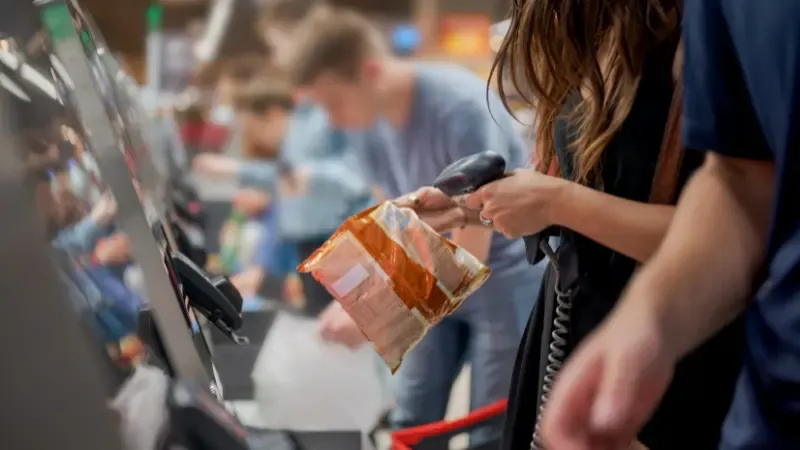
Automation at checkout focuses on flow. Retailers use it to remove slow steps, not replace staff.
- Self-Checkout and Assisted Checkout Working Together
Modern stores no longer rely on one checkout model. They combine formats based on basket size.
Small baskets move through self-checkout
Large carts use assisted lanes
One staff member supports multiple lanes
This setup works well in convenience stores during rush hours. It also helps supermarkets manage mixed cart sizes without adding labor.
The National Retail Federation reports that retailers using blended checkout models reduce average wait times during peak periods.
- Fewer Errors in High-Volume Stores
Automated scanning and item recognition reduce mistakes at checkout. Fewer errors mean:
Fewer price checks
Fewer voids
Faster lane recovery
In busy stores, minor delays multiply fast. Automation protects speed when volume rises.
- Staff Redeployment Instead of Staff Reduction
Automation shifts staff focus. Employees move from fixing issues to helping customers. This improves service without increasing payroll.
PwC notes that retailers using checkout automation improve staff efficiency while maintaining service quality.
Contactless POS Technology: Speed, Hygiene, and Payment Flexibility
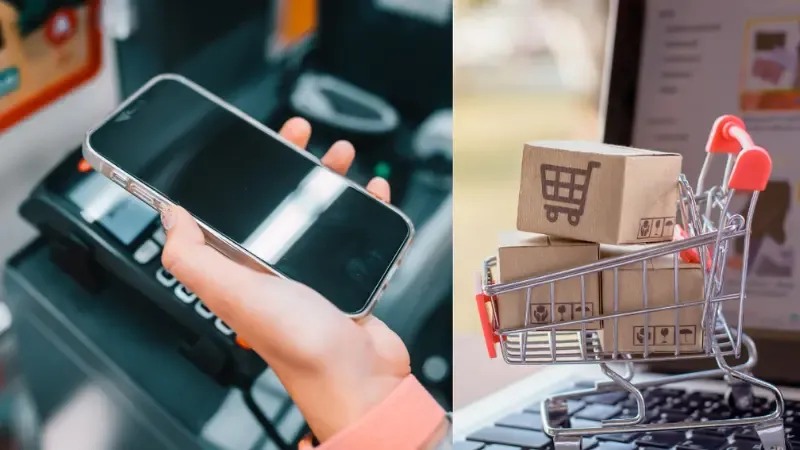
Contactless POS technology is now a standard feature. Customers expect it across all retail formats.
- Faster Payments at Peak Traffic
Contactless payments complete faster than cash or chip cards. Data shows that contactless transactions cut checkout time by up to 50%.
In high-traffic stores, this speed keeps lines short and lanes moving.
- Why Cash-Heavy Retailers Continue to Shift
Even cash-focused retailers now adopt contactless options. Shoppers prefer tap-and-go payments for speed and ease. This shift continues beyond health concerns.
Worldpay reports that digital wallets will account for more than half of in-store payments globally by 2026.
- Customer Expectations in 2026
By 2026, shoppers expect:
Multiple payment options by default
No delays at payment screens
Smooth fallback if one method fails
Contactless checkout systems for retail no longer signal innovation. They signal readiness at the final step of the sale.
How These POS Trends Directly Improve Retail Operations
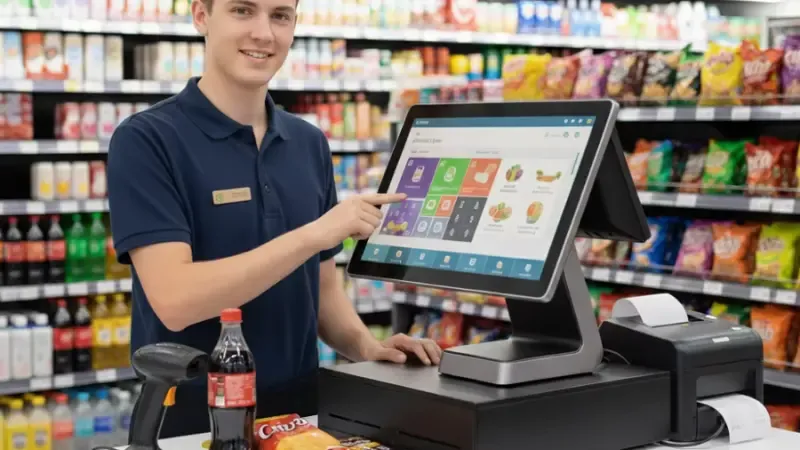
POS upgrades only matter if they improve daily store performance. In 2026, modern retail POS systems focus on speed, accuracy, and control at checkout. These gains show up in measurable ways across grocery, convenience, and apparel retail operations.
Faster Checkout and Shorter Lines
Automated POS solutions reduce steps at checkout. Scanning stays accurate. Payments move faster. Lanes clear sooner during peak hours.
Shorter checkout times protect revenue. Customers leave less often due to long lines. Stores process more transactions without adding lanes or staff. In high-traffic locations, small time savings per sale add up fast.
Fewer Voids and Manual Overrides
Modern POS systems reduce pricing and scanning errors. Real-time price sync keeps lanes aligned with promotions. Automated item recognition lowers input mistakes.
Fewer voids and overrides protect margins. Staff spend less time fixing errors. Managers review fewer exceptions. Checkout stays smooth even when volume rises.
Higher Inventory Accuracy at Checkout
Modern retail POS platforms sync inventory as sales happen. Item counts update across lanes and stores without delay.
Accurate inventory prevents checkout interruptions. Staff avoid price checks and stock confusion. Shelves are refilled on time. This accuracy also supports better ordering and reduces waste.
Faster End-of-Day Reconciliation
Automated POS systems simplify close-out tasks. Sales, payments, and refunds balance faster. Reports arrive clean and complete.
Store teams finish close-out sooner. Managers trust the numbers. Less time goes to manual fixes at the end of the day.
Cleaner Data for Better Forecasting
Clean checkout data improves planning. Fewer errors mean better sales trends. Teams see real demand instead of distorted reports.
This supports smarter ordering, better staffing plans, and stronger store-level performance. Over time, these gains improve labor use, protect revenue, and strengthen daily retail operations.
AI & Automation vs Traditional POS: What Changes at the Store Level
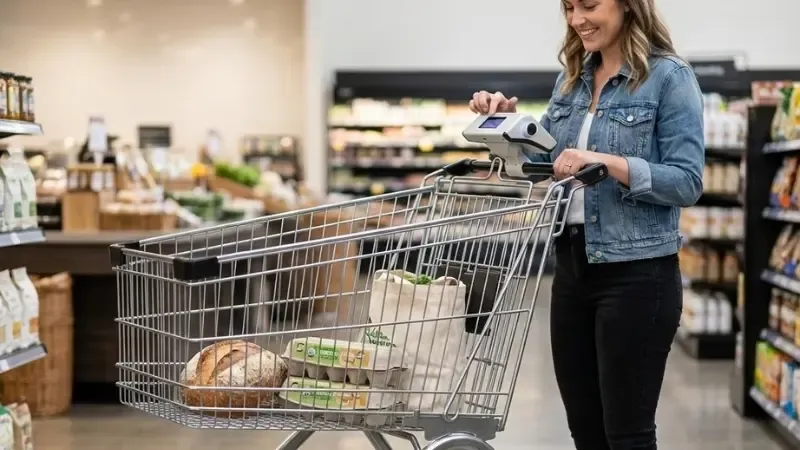
POS system trends for 2026 focus on daily store impact, not feature lists. The real difference shows up on the floor, during rush hours, and at close. For store managers, the shift becomes clear on Day 1.
How Daily Store Operations Actually Change
The table below compares traditional POS systems with AI-driven and automated POS solutions from a store-level view.
| Operational Area | Traditional POS Systems | AI & Automated POS Solutions |
|---|---|---|
| Checkout speed | Slower during peak hours. Manual steps add delays. | Faster lane flow. Fewer steps per transaction. |
| Staff involvement | Staff fix errors and handle price checks. | Staff support customers and oversee lanes. |
| Error rates | Higher voids and overrides during rush periods. | Fewer pricing and scanning errors. |
| Payment flexibility | Limited options. Slower fallback handling. | Multiple payment methods with smooth switching. |
| Data visibility | End-of-day reports only. | Live data during store hours. |
What This Means for Store Managers on Day One
- Store managers notice faster lanes first. Lines move quicker. Fewer customers ask for help. Staff stay calmer during peak traffic.
- Error handling drops. Price mismatches decrease. Overrides become rare. Managers spend less time reviewing exceptions and more time managing the floor.
- Data access also changes. Managers see sales, issues, and lane performance as they happen. Decisions shift from reactive to timely.
This is why automated POS solutions now sit at the center of store operations. They improve speed, reduce friction, and give managers better control from the first day of use.
What Retailers Should Evaluate Before Upgrading POS Systems for 2026
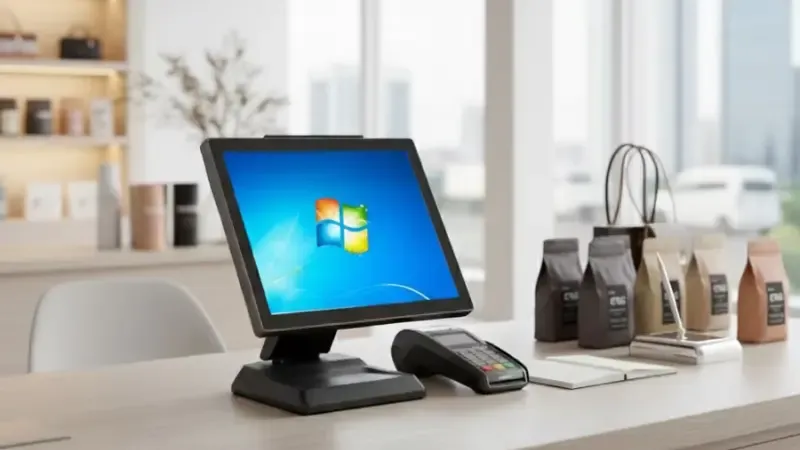
Upgrading a POS system is more than picking new software. Retailers must consider hardware, integrations, data, and store-specific needs. The right choice prevents disruptions and protects both staff and customer experience.
Hardware Readiness
Check that terminals, scanners, and payment devices handle current and future demands. Consider:
- Speed and reliability during peak hours
- Support for barcode scanning and automated recognition
- Compatibility with contactless and mobile payments
Proper POS hardware ensures lanes run smoothly without bottlenecks.
Software Integrations
Modern POS must link with ERP, inventory, and loyalty platforms. Evaluate:
- Real-time inventory sync
- Automated reporting to back-office systems
- Loyalty program integration
Seamless integration avoids duplicate work and keeps store operations efficient.
Data Migration and Security
Moving data from old to new systems can introduce errors. Focus on:
- Clean, validated product and customer data
- Safe migration of transaction history
- Compliance with payment security standards (PCI DSS)
This protects both the store and customer trust.
Scalability and Flexibility
Choose a system that grows with your business. Look for:
- Multi-store rollout capabilities
- Support for high SKU counts and complex product catalogs
- Flexibility for self-checkout, assisted lanes, or future formats
Scalable POS reduces headaches when traffic spikes or new locations open.
Compliance and Security
Ensure POS hardware and software meet regulations. This includes:
- Secure payment processing
- Data privacy compliance
- Audit-ready reporting
Security protects both revenue and reputation.
By evaluating these areas, retailers are confident about 2026. The right POS system reduces risk, improves staff efficiency, and supports a smooth customer experience from Day 1.
What the POS System of the Near Future Looks Like (Beyond 2026)
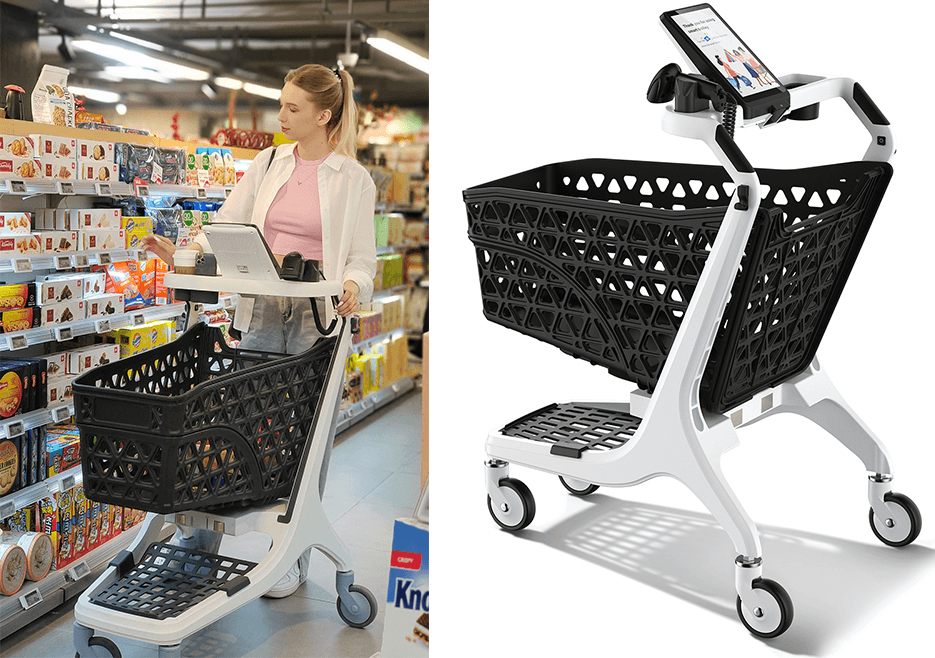
The POS system of the near future will focus on making every transaction seamless. Checkout will become frictionless, with minimal staff intervention. Customers will move through lanes quickly while stores capture accurate data in real time.
Frictionless Checkout
Systems will detect items automatically and process payments instantly. Self-checkout and assisted lanes merge into one smooth experience. Staff intervene only when needed, reducing wait times and human errors.
Smart Carts Integration
Shoppers will use smart carts that scan items as they are placed inside. Totals update in real time, and payment can happen directly from the cart. This reduces queues and improves customer flow.
Computer Vision-Assisted Lanes
Lanes equipped with computer vision will monitor product movement and detect mis-scans or misplaced items. This technology reduces errors and keeps lanes moving efficiently.
AI-Driven Merchandising Decisions
AI will analyze sales patterns at the SKU and store level instantly. Staff will receive actionable recommendations for stock placement, promotions, and replenishment. This ensures shelves are always stocked with the right items.
Smart retail technology will integrate all these elements into a single operational system. Retailers who adopt these tools will gain real-time control, improve efficiency, and deliver a smoother shopping experience. These capabilities are not futuristic. They are practical extensions of POS system trends already emerging in 2026.
Final Take: Staying Ahead Means Acting Now
Slow checkout and limited payment options frustrate shoppers. Outdated systems also make it harder for managers to act on live data.
Modern POS systems form the backbone of future-ready retail, supporting AI, automation, and smart carts. Competitors who upgrade first will deliver faster, more accurate, and more convenient experiences. Delaying leaves stores reactive rather than proactive.
The smart move is to start now: review what your current POS can (and can’t) do, plan how it should integrate with future tech, and run small pilots before peak seasons hit. That’s how you stay competitive and ready for what’s next.
Ready to future-proof your checkout?
If you’re ready to future-proof your checkout and operations, start with a closer look at SwiftForce. We help retailers assess their POS infrastructure, plan seamless integrations, and deploy solutions built for growth.Have questions or want to explore upgrade options for your business? Contact Us to speak with our team and see how SwiftForce can support your next stage of retail innovation.